Leslie Bellavance
Leslie Bellavance is an artist, teacher, and writer. Born in Hartford, Connecticut and raised in Providence, Rhode Island, she traveled and studied art abroad in Europe and lived in Rome, Italy. She received a Bachelor of Fine Arts degree Summa Cum Laude from Tyler School of Art at Temple University in Philadelphia and a Master of Fine Arts degree from the University of Chicago.
During a forty-year career in in higher education she served on the art faculty in the Peck School of the Arts at the University of Wisconsin-Milwaukee, where she also served as head of the Photography Program, director of Graduate Studies in Art, and interim associate dean. She also served as professor of art and director of the School of Art and Art History at James Madison University in Harrisonburg, Virginia. She served as professor of art and dean of the School of Art and Design in the New York State College of Ceramics at Alfred University in Alfred, New York. At the University of Wisconsin-Milwaukee, James Madison University, and Alfred University she also served on the faculties of Women’s Studies. Most recently Bellavance served as professor and president of Kendall College of Art and Design in Grand Rapids, Michigan and holds emerita status there.
Her artwork has been exhibited in museum and gallery presentations in the United States, Europe, and Asia. She has received numerous grants and awards including a National Endowment for the Arts Fellowship. She was awarded a residency for her book, analemmic, which was published by Nexus Press in Atlanta, Georgia. She has written and lectured extensively on contemporary art in the United States and abroad.
She currently lives in Neenah, Wisconsin where she maintains an active studio practice and continues to write about art.
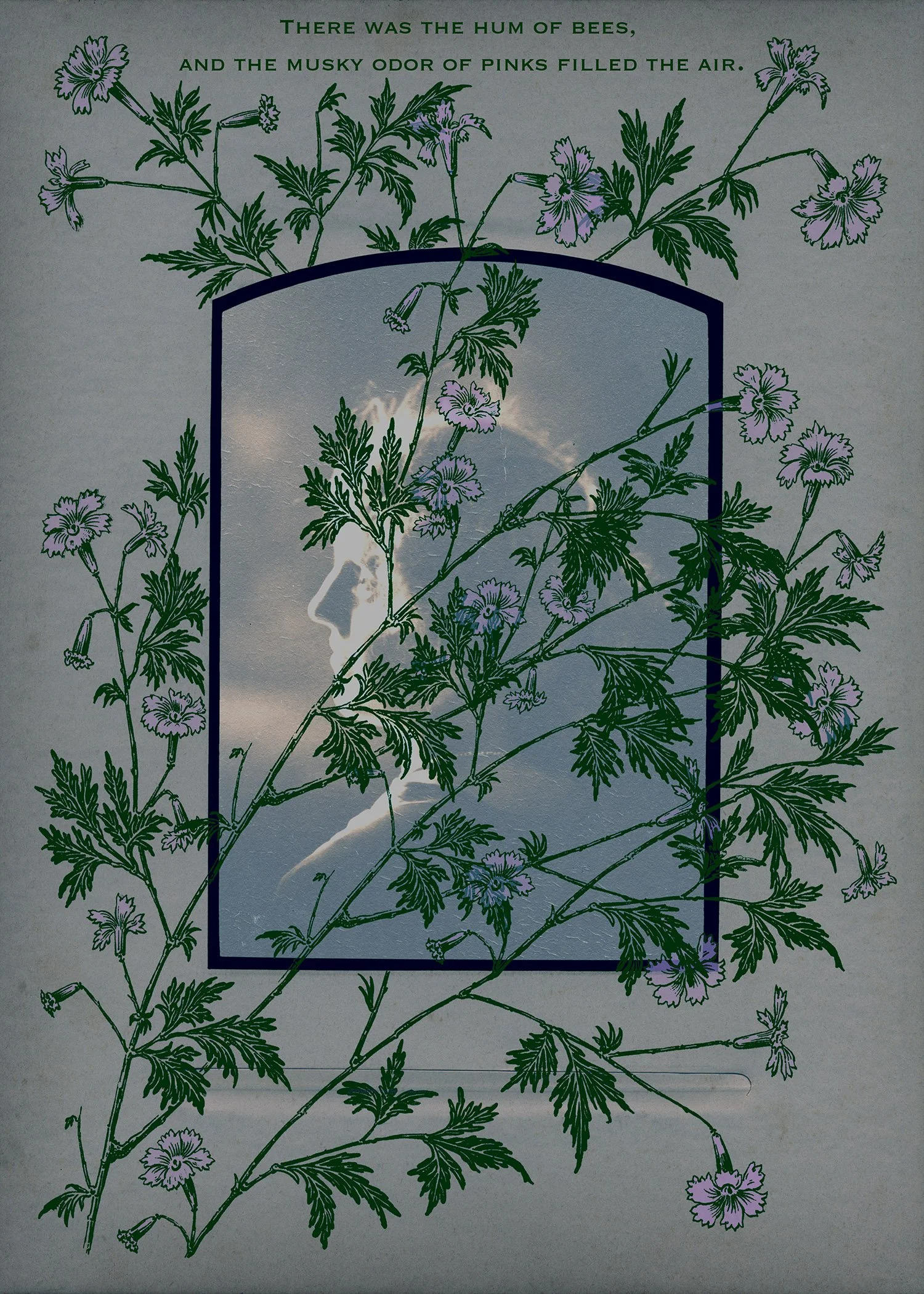
In her work, as a whole, Leslie Bellavance has chosen to incorporate aspects of picture genres such as the formal portrait picture and a kind of landscape that, more often than not, exists as a backdrop for something else. With their familiar decorative motifs and reference to the picturesque these landscapes attract and comfort. However, the landscapes and gardens that the artist constructs through digital combinations are quirky. They are not intended to evoke an experience of landscape that provides uncritical pleasure. Instead, the landscapes are seductive in a traditional sense, but also incorporate subtle seams, loose ends and loopholes. The work is a text, a picture and a thought process all at once.
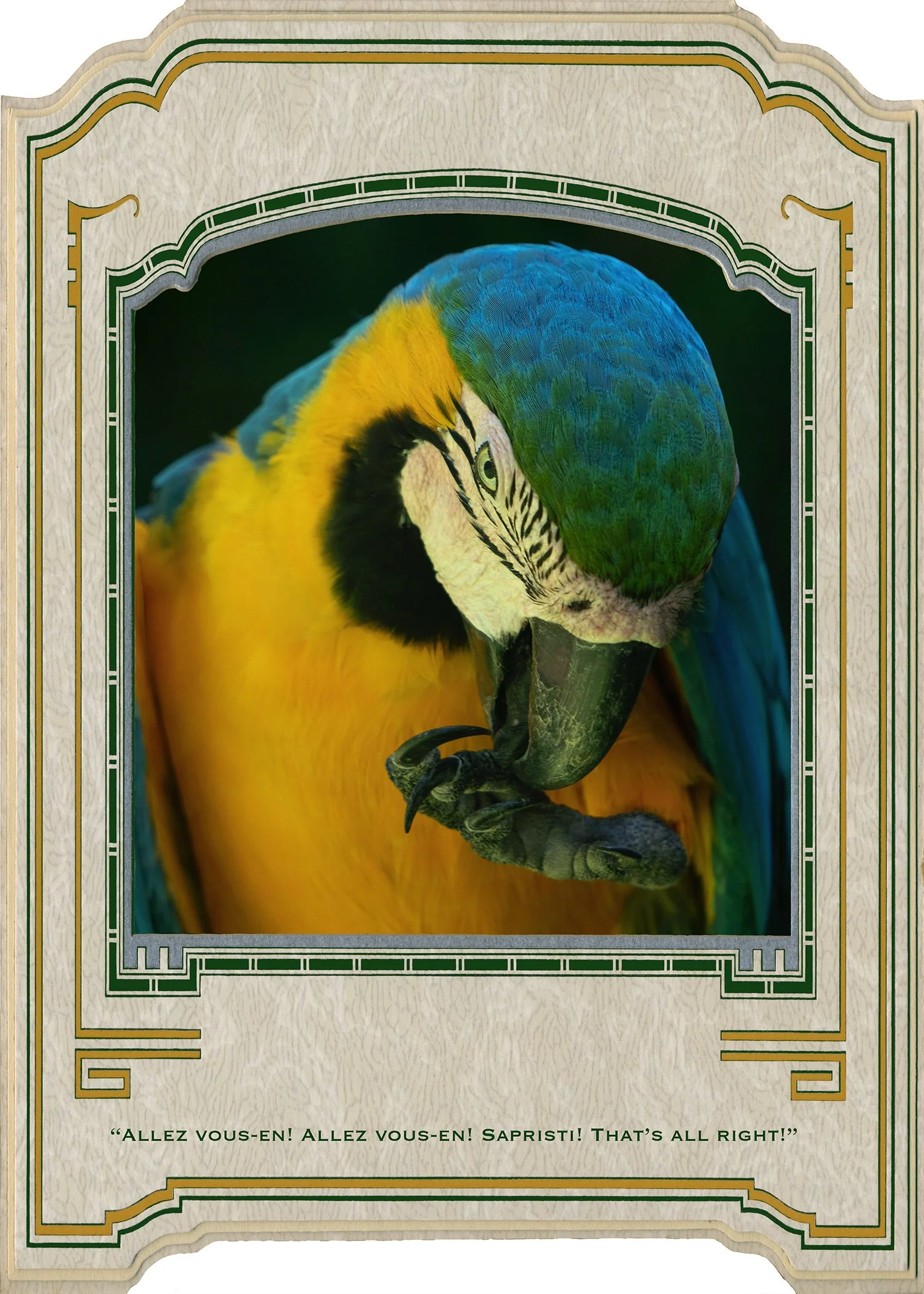
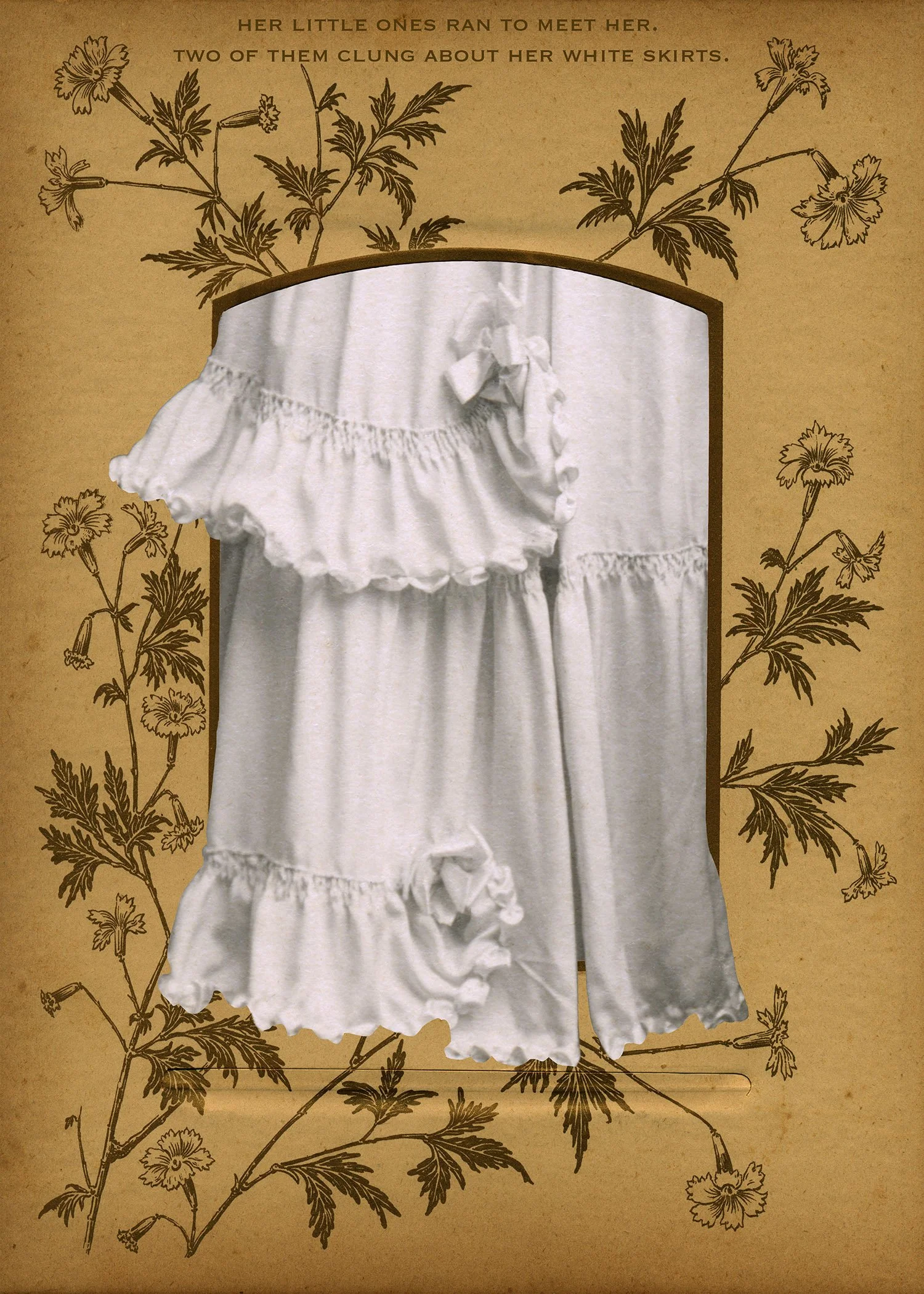
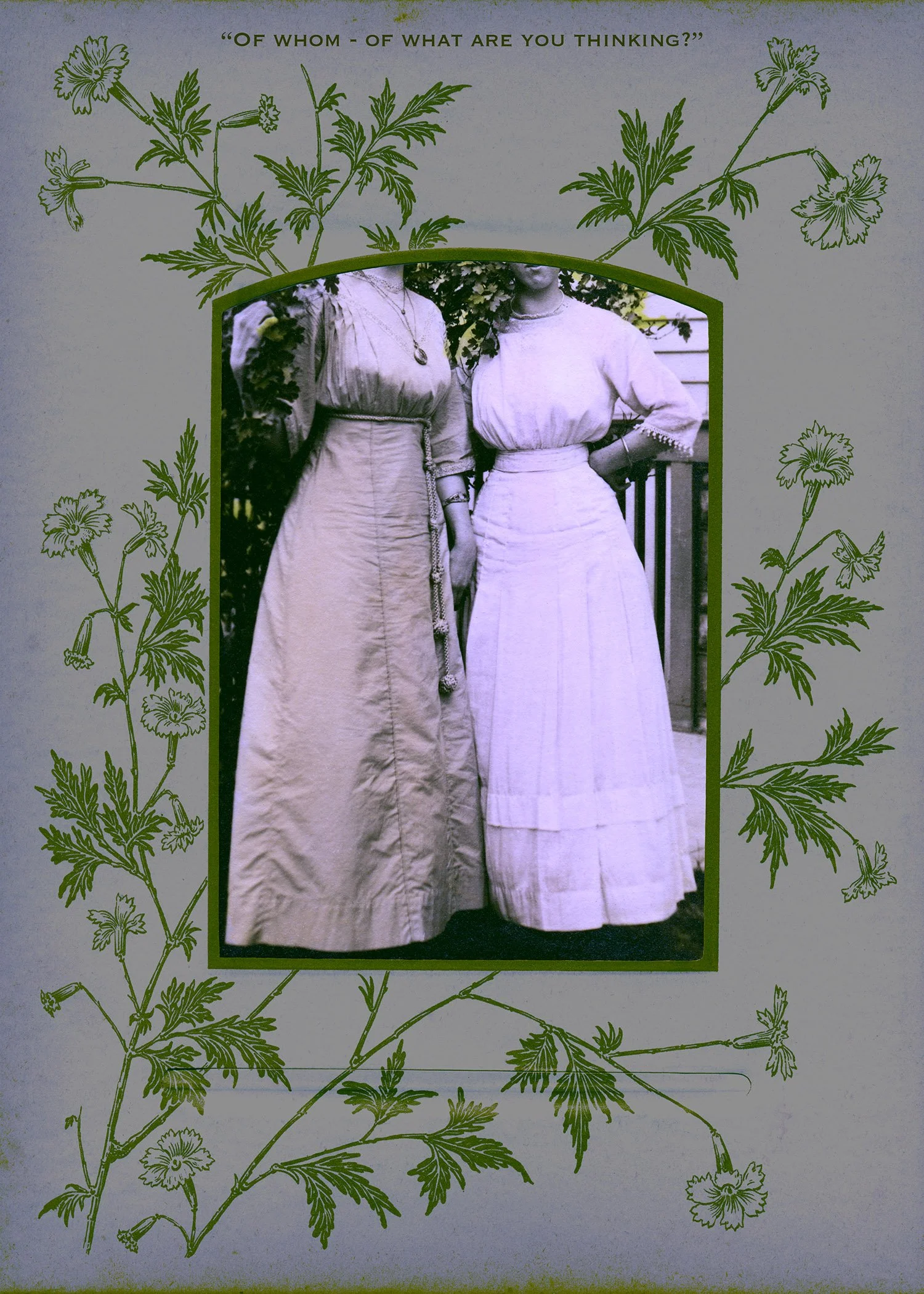
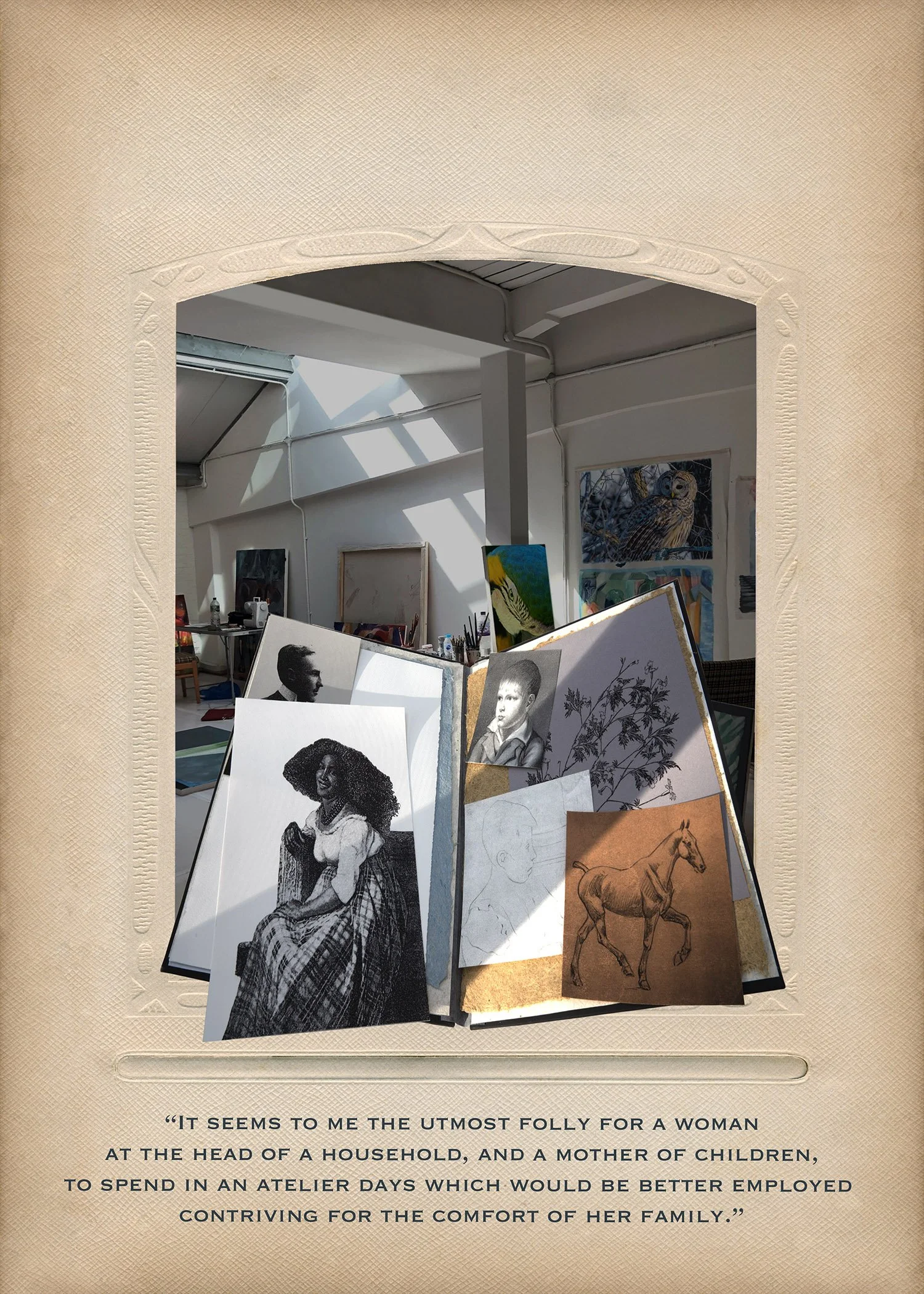
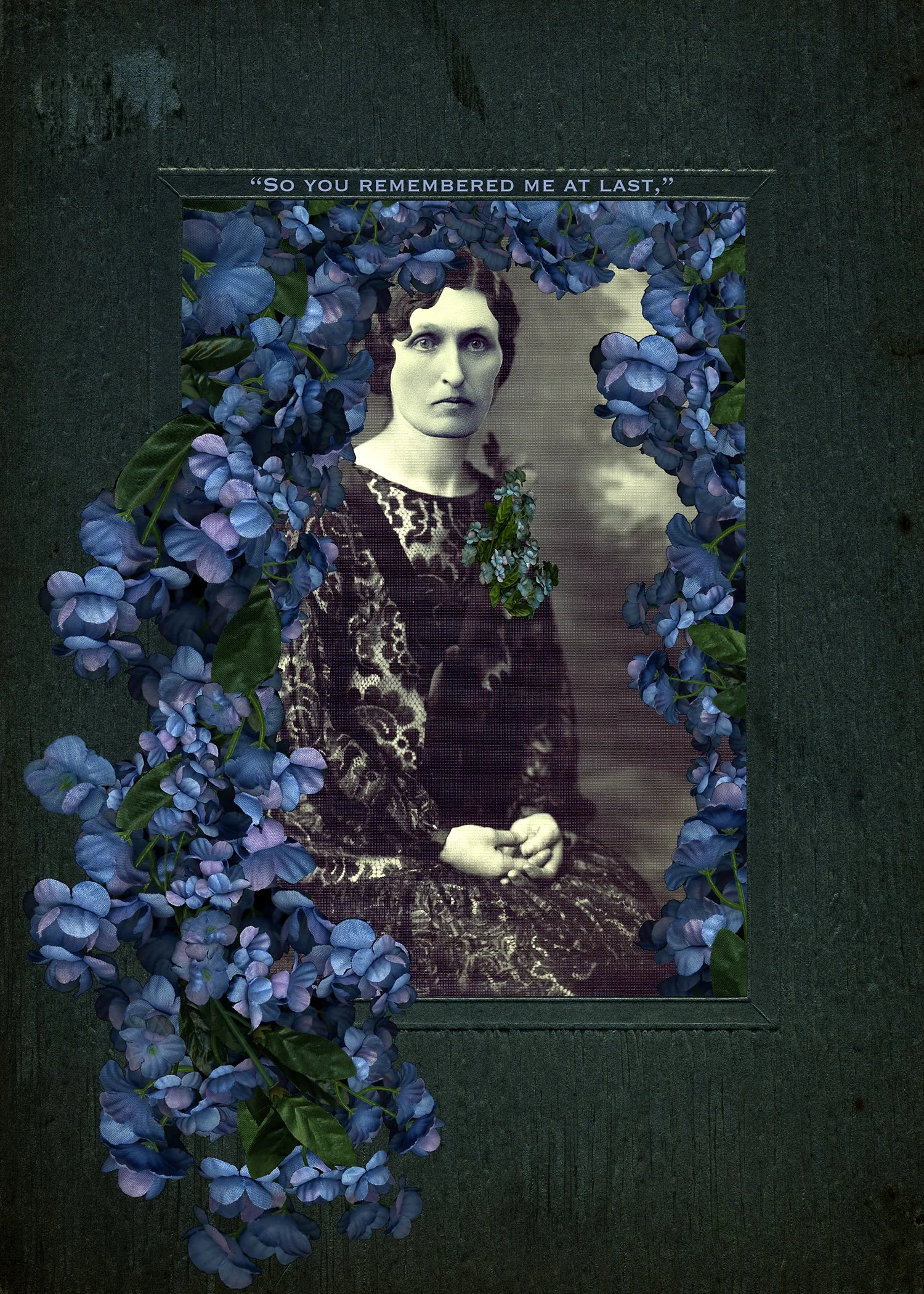
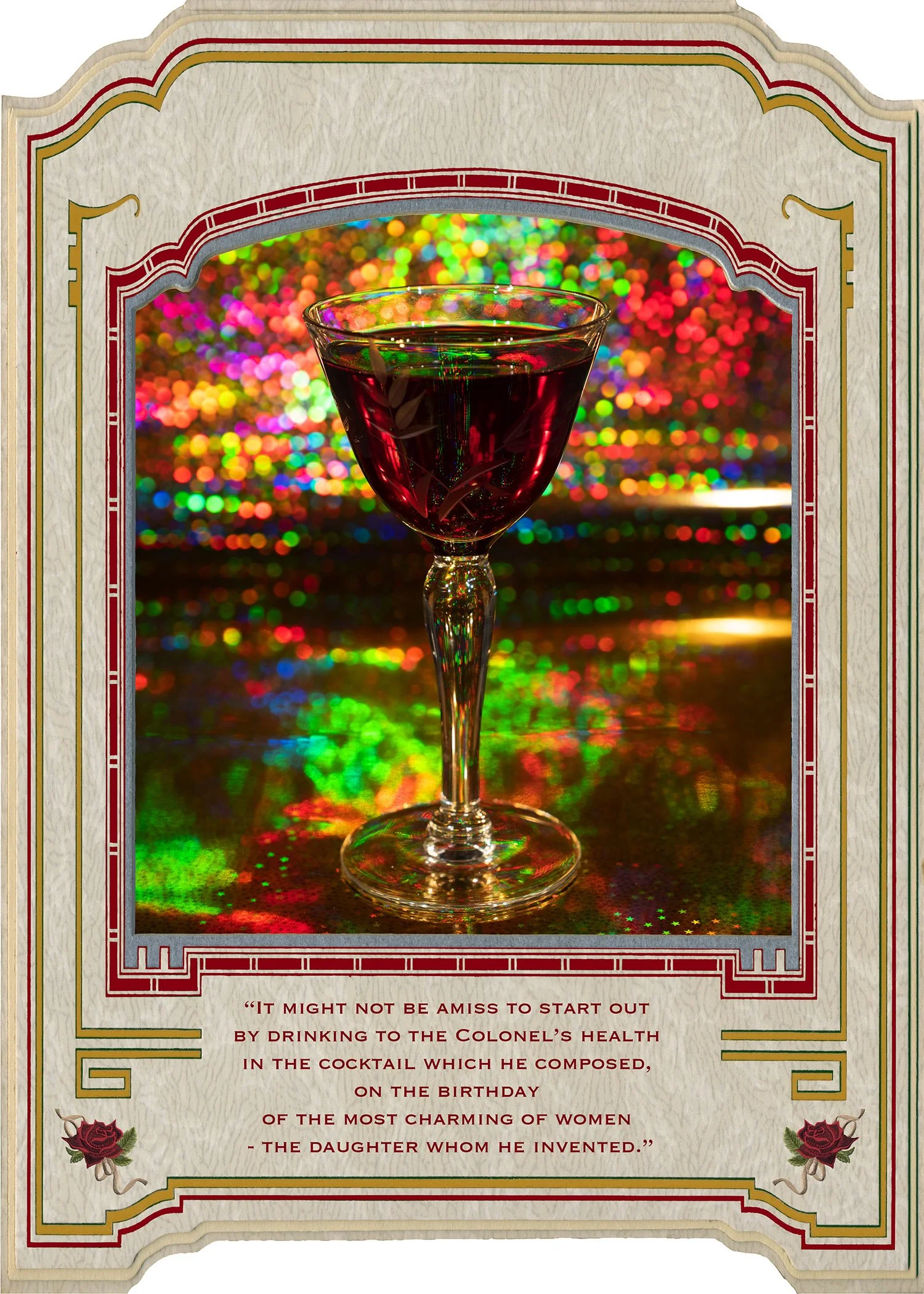
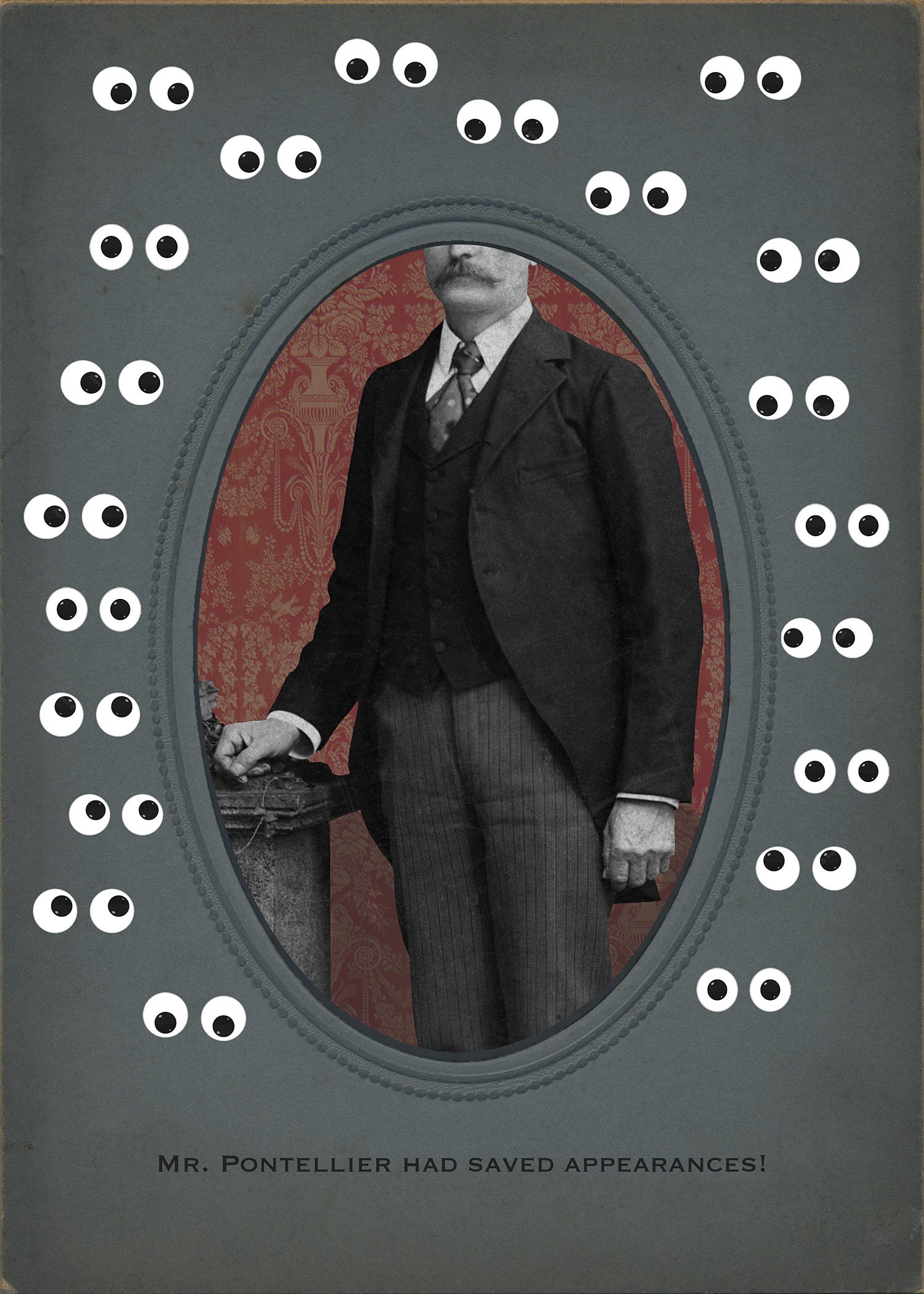
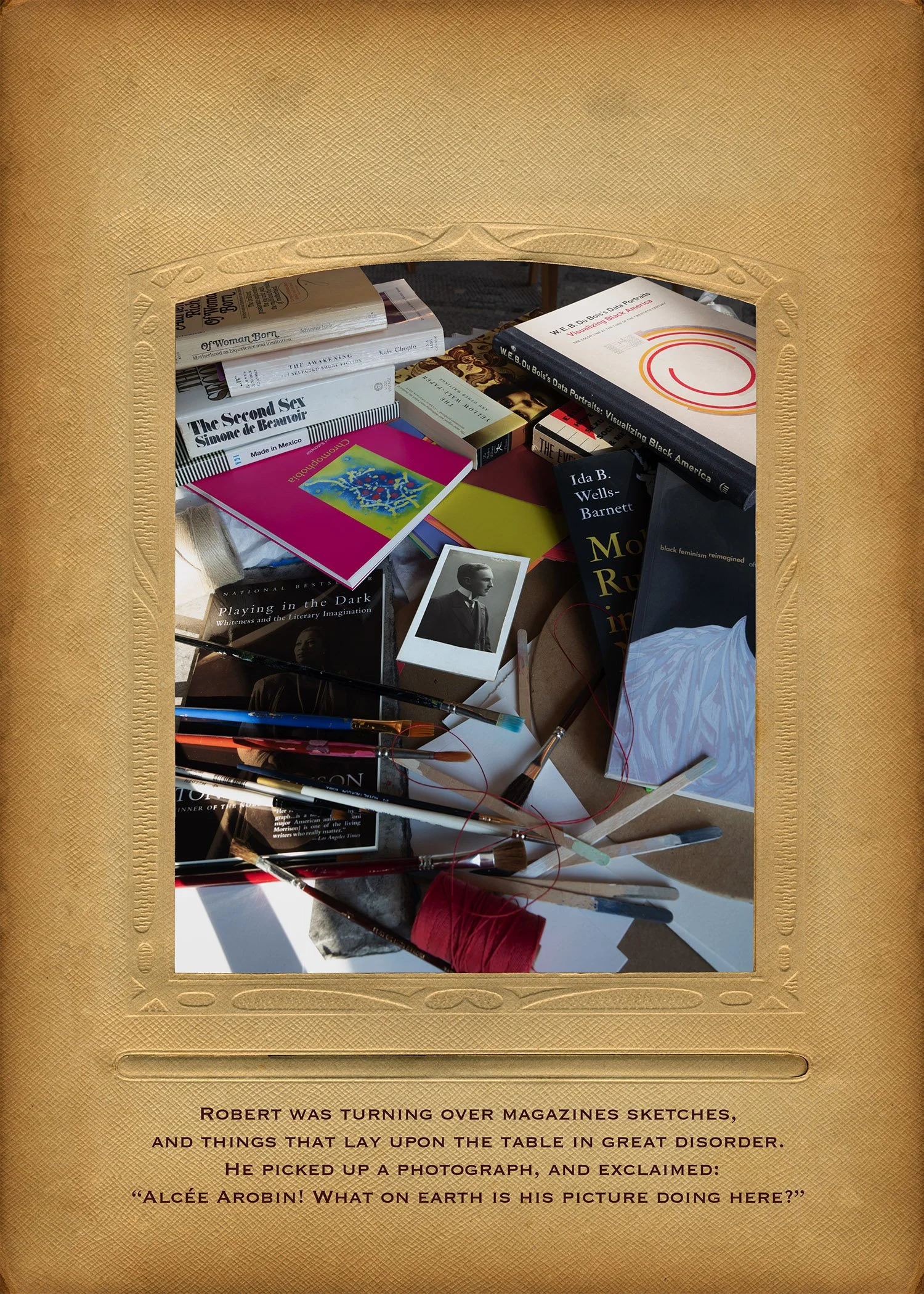
The three bodies of work represented in this exhibition have the common thread of being inspired by literary works. For Blush and the Wall series, the artworks are not intended as illustrations, but as alternative expressions. For The Awakening series of digital collages, the specific intention was to create illustrations that speak to the narrative of the novel by Kate Chopin.
BLUSH
2022
Chalk and latex paint on watercolor paper
Blush is one of a series of large drawings the artist has worked on over the last 22 years. Some of the drawings have been inspired by reading literature, specifically by authors that have explored the circumstances of women in society, such as Charlotte Perkins Gilman and Abigail Adams. The drawing are not illustrations but rather a celebration of the impact of sensory knowledge within the specificity of the texts. All of the drawings interrogate the domestic idea of the bower landscape wallpaper. The drawings are constructed over time through a process of drawing and erasure. All the drawings engage in a monochrome color field where color is explored physically, through drawing, and perceptually by emphasizing color relationships that challenge visual ergonomics. They are not easy to see, despite their size, yet the color holds an attraction and a mystery. The viewer needs to constantly move their point of view to
understand the shifting images. The experience can be overwhelming. Blush is a discourse on the idea of the blush: an uncontrollable rise in temperature, a dilation of the capillaries, a sense of pleasure, shame, or arousal.